
Free, standards-aligned financial literacy for students, families, and educators in Florida, Texas, Indiana, and beyond
A credit card statement should not feel like a surprise quiz. Neither should a deductible, a paycheck, or the fine print on a loan.
That is why Khan Academy’s free Financial Literacy courses focus on the decisions students are likely to face soon. Teachers can choose state-specific courses for Florida, Texas, and Indiana or use the updated flagship Financial Literacy course from anywhere.
Each course includes free videos, articles, and exercises designed to help students move beyond memorizing terms and start making informed financial decisions. If you want even more, Khan Academy’s flagship Financial Literacy course includes a Teacher Resources unit with optional activities, projects, games, and supplemental materials.
Florida: Personal finance and money management
Florida students entering ninth grade in the 2023–24 school year or later must earn one half credit in personal financial literacy and money management. Khan Academy’s Florida course is organized around the state’s financial literacy standards, including financial attitudes, cognitive biases, income, budgeting, credit, taxes, insurance, saving, and investing.
For teachers, that means less time piecing together materials from different sources. Videos, articles, and practice aligned to Florida’s standards are organized in one course. Want to add more? Head to the Teacher Resources unit in Khan Academy’s flagship Financial Literacy course for optional activities, games, projects, and supplemental materials.
Students do not need a math background. The focus is on evaluating choices, comparing options, and understanding how financial decisions work.
Explore Florida personal finance and money management
Texas: Personal financial literacy
Texas House Bill 27 requires students entering ninth grade in the 2026–27 school year or later to complete at least one half credit in personal financial literacy. Khan Academy’s Texas course is aligned to the state’s Personal Financial Literacy TEKS.
Students explore earning and spending, saving and investing, credit and borrowing, insurance and financial protection, and planning for education after high school.
The course also covers topics that can take extra time to source, including identity theft, fraud prevention, insurance comparisons, college costs, and estate planning. Teachers can assign the course in sequence or choose the lessons that connect to their current unit.
Explore Texas Personal Financial Literacy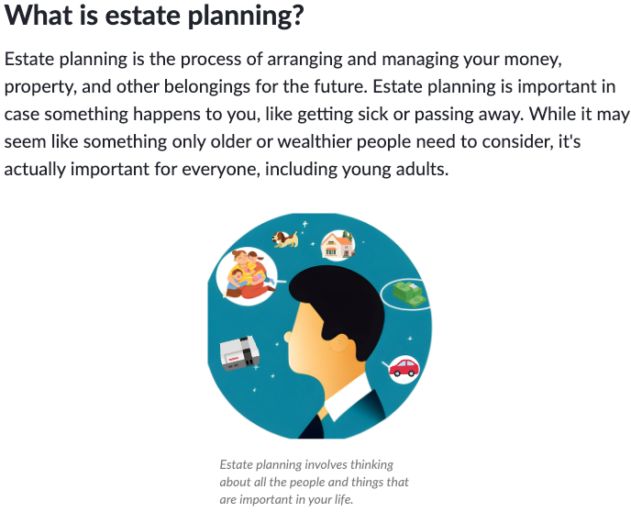
Indiana: Personal financial responsibility
Beginning with the class of 2028, Indiana students must complete a personal financial responsibility course before graduating. Indiana’s Financial Literacy Education Standards are organized around six areas, including decision-making, income and careers, money management, credit and debt, insurance, and saving and investing.
Khan Academy’s Indiana course is a flexible collection of videos, articles, and exercises aligned to those standards. Teachers can use it in a stand-alone course, Business Education, Family and Consumer Sciences, or another subject that includes personal finance.
Use the full collection or select the resources that match your local sequence. The course gives students repeated opportunities to compare options, explain decisions, and recognize financial risks.
Explore Indiana personal financial responsibility
The flagship Financial Literacy course just got more real
Not teaching in Florida, Texas, or Indiana? Khan Academy’s flagship Financial Literacy course is free and available to everyone.
Assign Financial LiteracyRecent updates focus on the financial situations students are likely to encounter in early adulthood.
Credit without the fine-print fog
Students can learn how to read a credit report, compare the advantages and drawbacks of credit cards, and understand a credit card statement, including interest, due dates, and minimum payments.
Banking basics that still matter
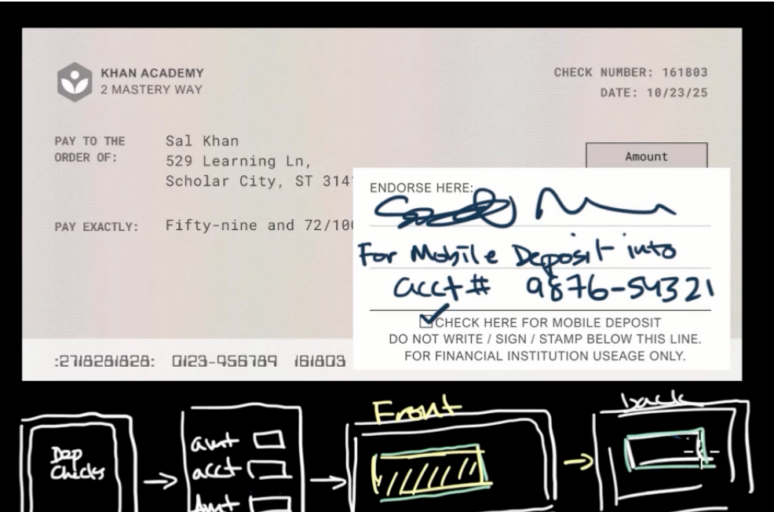
New lessons explain how to receive, deposit, and write a check, as well as broader banking and money management skills.
Health care terms before the bill arrives
Students can explore terms such as copay, deductible, and coinsurance and learn about different ways people shop for insurance.
Bigger decisions and longer consequences
Lessons on car warranties and bankruptcy help students examine what can happen after a major financial choice, not just at the moment a contract is signed.
Four ways to use the courses this week
Start with a real decision. Ask students to compare two credit card offers, insurance plans, or education pathways before introducing the related lesson.
Assign one targeted resource. Choose a video, article, or exercise that matches the concept you are already teaching.
Use practice to start a discussion. Review a question students found challenging and ask them to explain the trade-offs behind each option.
Make it active. Pull an activity or game from the Teacher Resources unit to turn financial vocabulary into a decision students have to make.